


The History of Aromatherapy
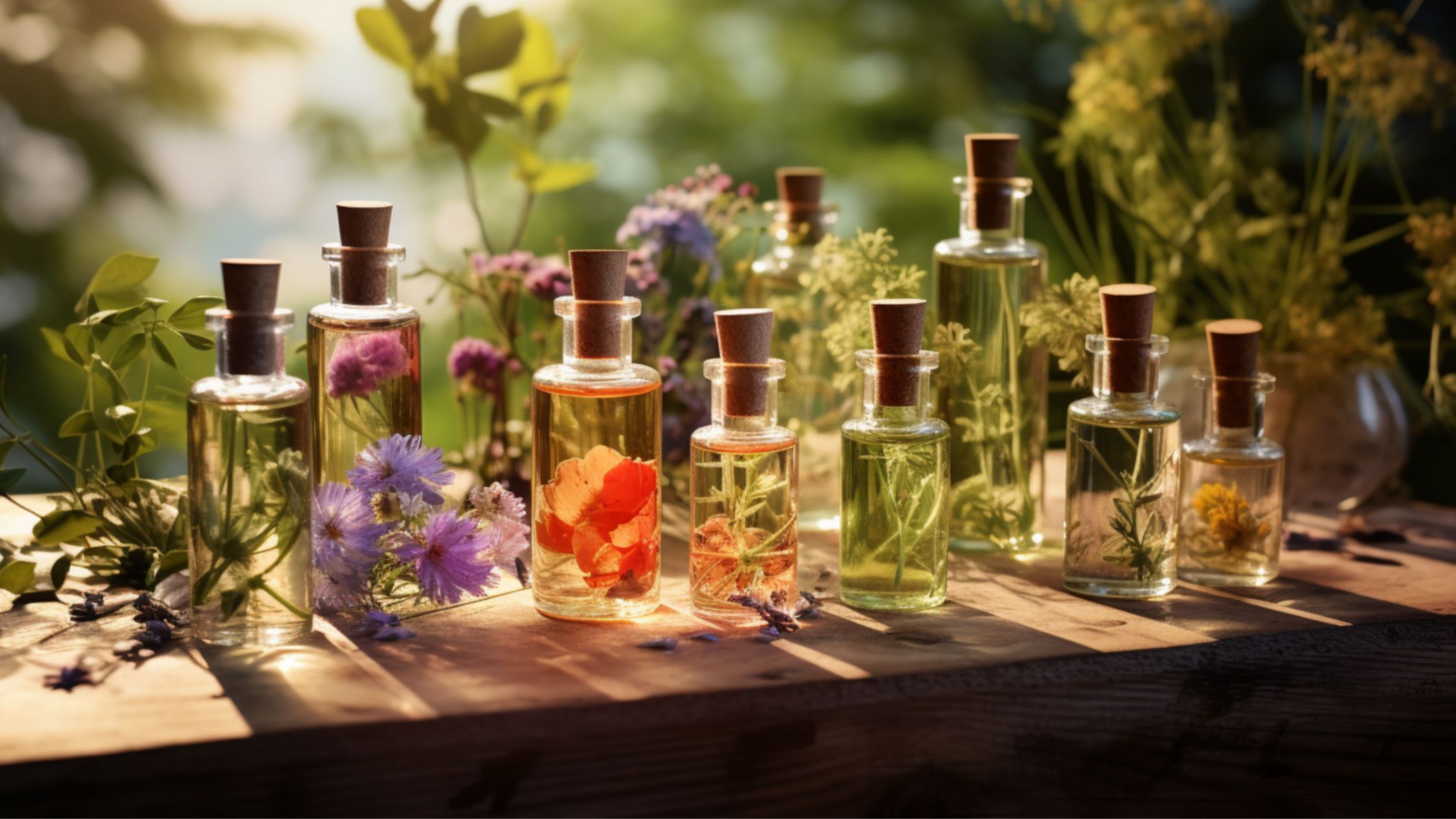
Aromatherapy has been part of human culture for thousands of years. From ancient civilizations to modern science, aromatic plants and essential oils have played an essential role in health, beauty, and spiritual practices.
Ancient Beginnings
The use of aromatic plants dates back as far as 200,000 years ago, when Neanderthals are believed to have used them for healing and rituals. Some of the earliest recorded uses come from ancient Egypt, more than 3,500 years before Christ.
Instead of extracting pure essential oils as we do today, people would macerate plant parts in oils and strain them to create ointments. These mixtures were used for medicine, skincare, and beauty. In places like Babylon and Egypt, such ointments became deeply woven into daily life.
In Heliopolis, Egyptians burned frankincense in the morning and myrrh at night as offerings to their gods. Even Pharaoh Tutankhamun was buried with cedarwood-based ointments, believed to aid in preservation. When his tomb was opened in 1922, jars of aromatic oils were found — proof of an extensive trade network that stretched from Egypt to Persia, India, and China.
These plants were so valuable that frankincense and myrrh were worth as much as gold. The Bible even records the three wise men offering these precious resins to baby Jesus.
Aromatics in Babylon, Greece, and Rome
In Babylon, clay tablets from 1800 BCE mention oils such as cedar, myrrh, and cypress, used both for medicine and in religious ceremonies. Later, the Greeks and Romans embraced aromatic plants, creating perfumes, ointments, and remedies that became symbols of luxury and sophistication.
The Arab Contribution
By the year 1000 AD, Arab scholars made groundbreaking advancements in extracting essential oils. Avicenna, a Persian physician, is credited as the first to distill pure essential oils such as rose oil. His work laid the foundation for the practice of aromatherapy as we know it today.
Modern Aromatherapy
The modern revival of aromatherapy began in the 1920s with French chemist René-Maurice Gattefossé, who famously used lavender oil to heal a burn. He went on to write one of the first books on the subject, coining the term “aromatherapy.”
Another pioneer, Dr. Jean Valnet, applied essential oils during wartime to treat wounds and infections. His success inspired decades of research and development in the therapeutic use of essential oils.
Aromatherapy Today
Today, aromatherapy is more popular than ever. People around the world use essential oils for well-being, relaxation, skincare, and natural remedies. Scientists continue to uncover the remarkable therapeutic properties of these oils, made possible by their complex chemical makeup.
After thousands of years, aromatherapy remains a powerful bridge between nature and wellness — a testament to the enduring wisdom of ancient traditions.
Source Credit
Adapted and inspired by content from Lamai Terapias Orientais by Alysson Correia.