


Green Aromatherapy – Sustainability in Practice
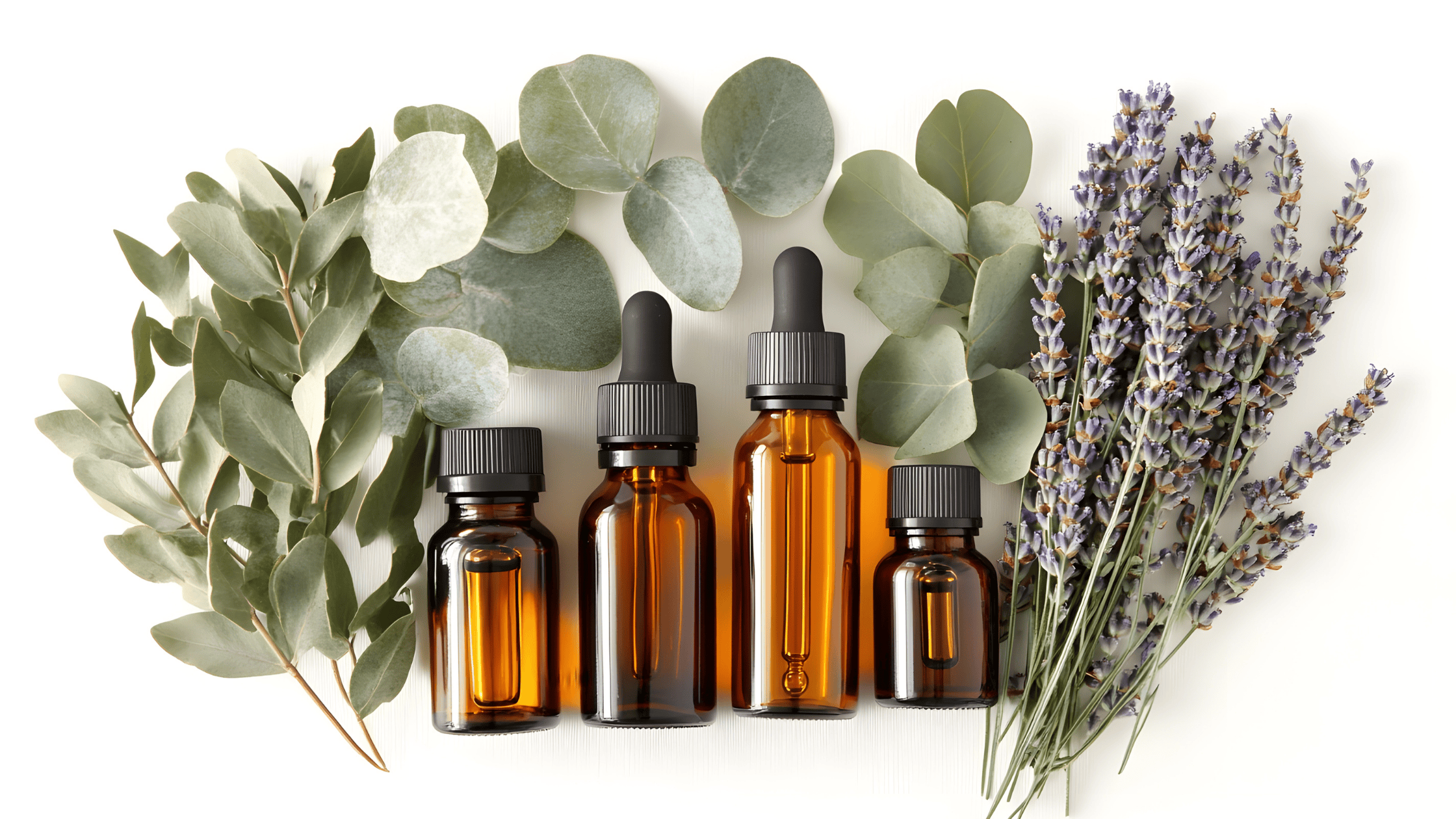
Before we can truly enjoy the benefits of aromatherapy, it’s important to understand the journey behind each drop of essential oil — and the impact that journey has on our planet.
The Growth of the Essential Oil Industry
In 2023, the global essential oils market was valued at $23.74 billion, with forecasts suggesting it could surpass $40 billion by 2030. In 2022 alone, production reached an estimated 247,000 tonnes to meet worldwide demand — a figure that’s expected to grow by almost 8% every year.
This rapid expansion raises an important question: How sustainable is the essential oil industry?
Who Uses Essential Oils?
Aromatherapy isn’t the only sector driving demand, but it accounts for a significant 39% of global production. The food and beverage industry follows closely at 38%, with the remaining 23% shared between the cleaning and medical industries.
Of the 15 major companies leading the market, six specialise in aromatherapy — proof of how resource-intensive this field has become.
If we care about well-being and health, it’s equally vital to consider our environmental footprint as users of these oils.
How Essential Oils Are Produced
There are two main ways essential oils are produced today:
- Cultivation in controlled environments – Plants are grown and distilled under specific conditions to maintain quality and consistency.
- Harvesting from the wild – Oils are extracted from plants that grow naturally in their native habitats.
Wild harvesting, when done responsibly, follows a sustainable rule: never collect more than 5% of the available plants in an area. This allows the species to regenerate and the ecosystem to remain balanced.
However, this method yields less raw material, while controlled cultivation demands higher costs and more resources. As a result, cheaper oils on the market may come from questionable sources or lack purity altogether.
Ethical and Environmental Considerations
Essential oils are celebrated for their healing properties, but it’s important to remember that their production can have lasting effects on ecosystems and local communities.
When plants are overharvested or cultivated unsustainably, it can lead to:
- Loss of biodiversity
- Habitat destruction
- Depletion of endangered plant species
- Economic exploitation of small farming communities
Being conscious of these impacts allows us to practice aromatherapy in a way that aligns with nature’s balance.
A Conscious Approach to Aromatherapy
To make aromatherapy more sustainable, consider these mindful habits:
- Buy consciously. Only purchase what you’ll use before it expires. Essential oils have a shelf life, and waste contributes to overproduction.
- Store properly. Protect your oils from heat and light to prevent evaporation or oxidation.
- Research the source. Choose brands that are transparent about where and how their oils are produced.
- Avoid endangered species. If you wish to use oils derived from rare plants, ensure they come from ethical, certified suppliers.
- Support local and Fair Trade producers. Your purchase can help communities that prioritise sustainability and environmental care.
Endangered Plants in the Essential Oil Trade
Some of the most sought-after essential oils come from endangered plant species. Overharvesting not only threatens these plants but also disrupts the delicate balance of their native ecosystems.
Below is a list of endangered essential oils that should be used with great care and only when sourced from sustainable, reputable producers:
- American Ginseng
- Atlas Cedarwood
- Elemi
- Frankincense
- Myrrh
- Palo Santo
- Ravensara
- Rosewood
- Sandalwood
- Valerian Root
If you use oils from these species, choose reputable suppliers who are committed to sustainable and ethical practices. This ensures the preservation of natural resources for future generations.
The Bigger Picture
Aromatherapy is about harmony — between mind, body, and nature. To truly embrace its essence, we must also honour the environments that make these precious oils possible.
Practising green aromatherapy means choosing products that nurture well-being while protecting the planet. After all, sustainability is the purest form of wellness.
Source Credit
Adapted and inspired by content from Lamai Terapias Orientais by Alysson Correia.