


Essential Oils vs. Fragrance Oils
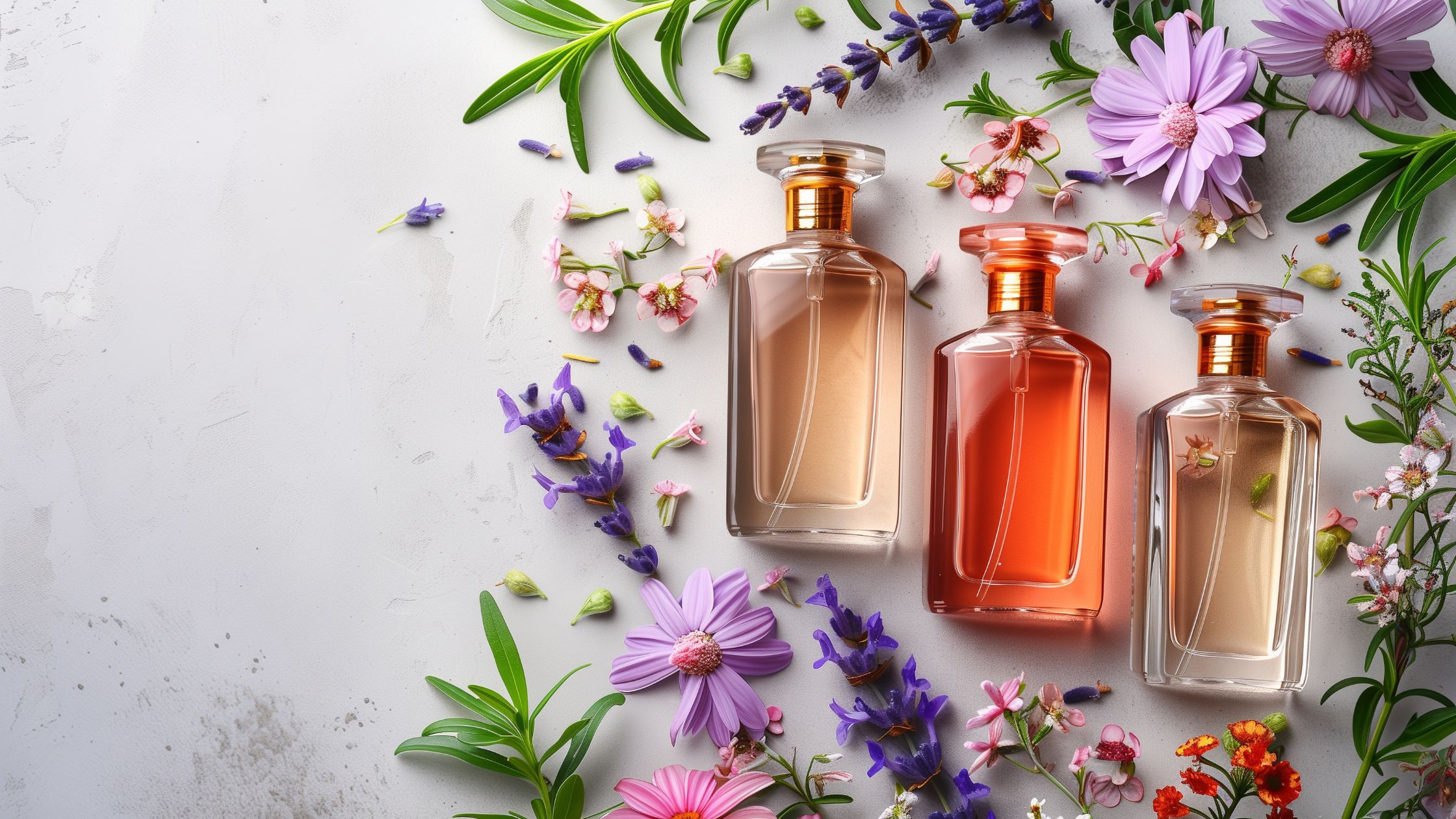
Before choosing products for aromatherapy, skincare, or home use, it’s important to understand the difference between essential oils and fragrance oils. Though both are commonly used for scent, they are fundamentally different in how they are made, how they behave, and what they offer.
What Are Essential Oils?
Essential oils are natural plant extracts obtained through processes such as:
- Steam distillation
- Hydro-distillation
- Mechanical processing
- Dry distillation
They contain complex chemical structures, often between 20 and 200 natural compounds. These constituents give essential oils their therapeutic properties, aroma, and biological activity.
What Are Fragrance Oils?
Fragrance oils are synthetic creations, developed in laboratories to:
- Mimic the aroma of plants, or
- Create entirely new scents not found in nature
They are generally composed of one to three main synthetic ingredients, and they do not carry the therapeutic benefits that essential oils provide.
Fragrance oils are widely used in:
- Perfumes
- Candles
- Soaps
- Home-care products
- Cosmetics where scent is the primary focus
How to Tell the Difference
1. Packaging
- Essential oils are sold in dark bottles to protect them from light exposure.
- Fragrance oils may come in clear or varied packaging, with less focus on preservation.
2. Colour
- Essential oils range from clear to pale yellow, with occasional soft blue or green notes.
- Fragrance oils often contain artificial, more vibrant colours.
3. Solubility in Water
- Essential oils do not dissolve in water. They float or sink depending on their density.
- Synthetic oils may partially dissolve, disperse, or turn the water milky.
4. Aroma
- Essential oils have natural, evolving aromas that may vary from batch to batch.
- Fragrance oils smell consistent and uniform, but often less natural.
5. Price
- Essential oils vary widely in cost depending on plant type, farming method, and distillation.
- Fragrance oils are generally cheaper because they are mass-produced synthetics.
6. Documentation
- Reputable suppliers of essential oils provide quality analyses and purity reports.
- Fragrance oils typically do not include this type of documentation.
The Bigger Picture
Choosing between essential oils and fragrance oils depends on your intention.
- If you seek therapeutic benefits, essential oils offer natural chemical complexity and wellness properties.
- If you want stable, long-lasting scent for candles, soaps, or home fragrance, fragrance oils may be more suitable.
Understanding the difference helps you choose what aligns with your values, needs, and the experience you want to create.
Source Credit
Adapted and inspired by content from Lamai Terapias Orientais by Alysson Correia.